Introduction
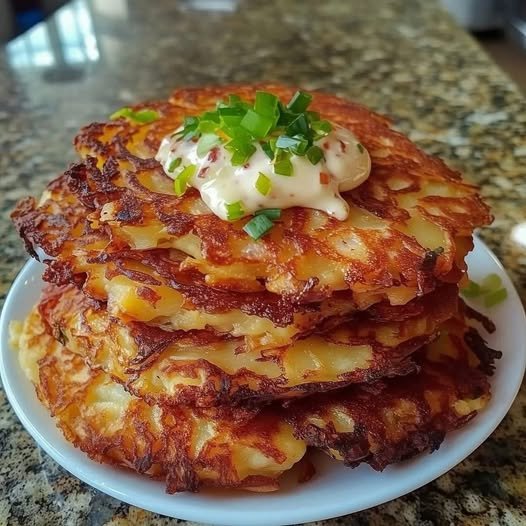
Potato pancakes are one of those timeless dishes that combine simplicity with indulgence. Made primarily from grated potatoes, onions, and a few binding ingredients, they transform humble pantry staples into something irresistibly rich and satisfying. The key to their appeal lies in contrast: a deeply golden, crispy crust surrounding a soft, flavorful interior.
While often associated with traditional European cuisine, variations of potato pancakes exist worldwide. Some are thick and fluffy, others thin and extra crispy. This version leans toward the classic crispy style, ideal for serving at gatherings or making ahead (if you can resist eating them all immediately).
Ingredients
Main Ingredients
- 2 pounds russet potatoes (about 4–5 large potatoes)
- 1 medium yellow onion
- 2 large eggs
- 1/4 cup all-purpose flour (or matzo meal as a traditional alternative)
- 1 teaspoon salt
- 1/2 teaspoon black pepper
- Vegetable oil for frying (such as canola or sunflower oil)
Optional Additions
- 2 cloves garlic, minced
- 2 tablespoons chopped chives or green onions
- 1/2 teaspoon smoked paprika
- A pinch of baking powder (for slightly lighter pancakes)
For Serving
- Sour cream
- Applesauce
- Fresh herbs (like chives or parsley)
Equipment Needed
- Box grater or food processor with grating attachment
- Clean kitchen towel or cheesecloth
- Large mixing bowl
- Frying pan or skillet (preferably cast iron)
- Slotted spatula
- Paper towels
- Baking sheet (optional, for keeping pancakes warm)
Step-by-Step Instructions
Step 1: Preparing the Potatoes
Peel the potatoes and immediately place them in cold water to prevent browning. Once all potatoes are peeled, grate them using the coarse side of a box grater or a food processor.
After grating, transfer the potatoes into a clean kitchen towel or cheesecloth. This step is critical: squeeze out as much liquid as possible. The drier the potato mixture, the crispier your pancakes will be.
Reserve a small amount of the liquid in a bowl. After a few minutes, you’ll notice starch settling at the bottom. You can add this starch back into the potato mixture for better binding.
Step 2: Preparing the Onion
Grate the onion using the same coarse grater. You can either mix it directly with the potatoes or squeeze out some of its moisture first if you prefer a less intense onion flavor.
The onion adds moisture, sweetness, and depth, balancing the starchiness of the potatoes.
Step 3: Mixing the Batter
In a large bowl, combine:
- Grated potatoes
- Grated onion
- Eggs
- Flour
- Salt and pepper
If using optional ingredients like garlic or herbs, add them at this stage.
Mix everything thoroughly until evenly combined. The mixture should be moist but not watery. If it feels too wet, add a little more flour.
Step 4: Heating the Oil
Pour about 1/4 inch of oil into a frying pan and heat over medium-high heat. To test if the oil is ready, drop a small piece of potato into the pan—if it sizzles immediately, the oil is hot enough.
Maintaining the right temperature is crucial. Too hot, and the pancakes will burn before cooking through. Too cool, and they will absorb oil and become greasy.
Step 5: Frying the Pancakes
Scoop about 2–3 tablespoons of the mixture and place it into the hot oil. Flatten it gently with a spatula to form a thin pancake.
Do not overcrowd the pan; leave space between each pancake for even cooking.
Fry for about 3–4 minutes on each side, or until golden brown and crispy. Flip carefully and cook the other side.
Step 6: Draining and Keeping Warm
Remove the pancakes from the pan and place them on a plate lined with paper towels to absorb excess oil.
If making a large batch, keep cooked pancakes warm in an oven set to 200°F (about 95°C) while you finish frying the rest.
Texture and Flavor Profile
A well-made potato pancake should have:
- A crisp, crackly exterior
- A soft, slightly creamy interior
- A balanced flavor of potato and onion
- A hint of saltiness that pairs well with toppings
The contrast in textures is what makes them so irresistible.
Serving Suggestions
Potato pancakes are incredibly versatile and can be served in many ways:
Classic Style
Serve hot with a dollop of sour cream and a sprinkle of fresh chives.
Sweet Contrast
Pair with applesauce for a sweet-and-savory combination.
Gourmet Upgrade
Top with smoked salmon, crème fraîche, and dill for an elevated dish.
Hearty Meal
Serve alongside roasted meats or eggs for a complete meal.
Tips for Perfect Potato Pancakes
- Remove moisture thoroughly
This is the single most important step for achieving crispiness. - Use the right potatoes
Starchy potatoes like russets work best because they bind well and crisp up nicely. - Don’t skip the onion
It adds essential flavor and moisture balance. - Control oil temperature
Maintain consistent heat for even cooking. - Serve immediately
Potato pancakes are best enjoyed fresh and hot.
Variations
Cheesy Potato Pancakes
Add shredded cheddar or Parmesan cheese to the mixture for extra richness.
Herbed Version
Incorporate fresh herbs like parsley, dill, or thyme for a fragrant twist.
Spicy Kick
Add chili flakes or cayenne pepper for heat.
Gluten-Free Option
Replace flour with potato starch or a gluten-free alternative.
Storage and Reheating
Refrigeration
Store leftovers in an airtight container in the refrigerator for up to 3 days.
Freezing
Freeze cooked pancakes in a single layer, then transfer to a freezer bag. They can last up to 2 months.
Reheating
Reheat in an oven at 375°F (190°C) until crispy again. Avoid microwaving, as it makes them soggy.
Why These Disappear So Fast
There’s a reason you joked about making them in the middle of the night and hiding them. Potato pancakes hit all the pleasure points: crispy, salty, warm, and satisfying. They’re easy to grab, hard to stop eating, and universally loved across age groups.
The aroma alone—golden potatoes frying in oil—has a way of drawing people into the kitchen. Once they taste one, self-control tends to vanish.
Final Thoughts
Potato pancakes are more than just a recipe; they’re an experience. They bring people together, create lasting memories, and turn simple ingredients into something extraordinary. Whether you’re making them for a holiday morning, a family gathering, or just because you’re craving comfort food, they rarely last long on the plate.