
Introduction: More Than Just a Diet
In a world filled with restrictive meal plans, calorie-counting apps, and ever-changing nutrition trends, the Mediterranean diet stands apart as something refreshingly simple and deeply sustainable. It is not a “diet” in the modern sense—there are no strict rules, no forbidden foods, and no obsession with numbers. Instead, it is a way of eating and living that has evolved naturally over centuries.
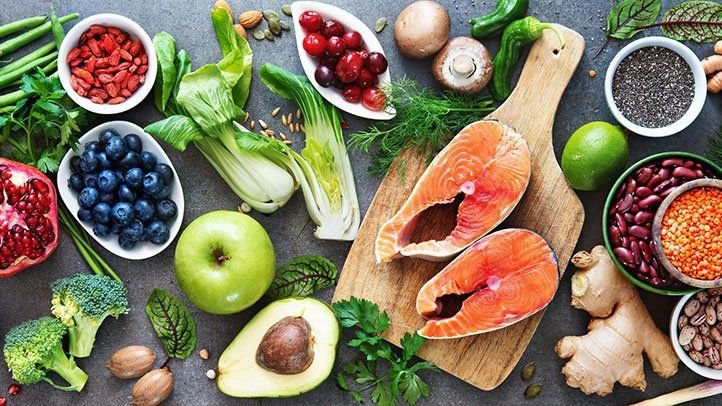
Rooted in the traditional lifestyles of people living along the Mediterranean Sea—particularly in countries like Greece, Italy, and southern Spain during the mid-20th century—this approach to food reflects a balance between nourishment, enjoyment, and community.
What makes it especially powerful is that it is backed by decades of scientific research. Studies consistently show that people who follow Mediterranean-style eating patterns tend to live longer, have lower rates of chronic diseases, and enjoy better overall quality of life.
This guide will walk you through everything you need to understand—not just what to eat, but why it works, how to apply it in your daily life, and how to make it sustainable for the long term.
Understanding the Core Philosophy
At its heart, the Mediterranean diet is built on a few simple but profound ideas:
-
Food should be natural and minimally processed
-
Meals should emphasize plants over animal products
-
Healthy fats are essential—not something to fear
-
Eating is a social and mindful experience
-
Consistency matters more than perfection
Unlike many modern diets that focus on restriction, this way of eating focuses on abundance—filling your plate with colorful vegetables, hearty grains, flavorful herbs, and nourishing fats.
It is less about eliminating foods and more about shifting your overall pattern toward healthier choices.
The Science Behind the Mediterranean Diet
The health benefits of the Mediterranean diet are not based on a single nutrient or “superfood.” Instead, they come from the powerful combination of foods that work together in harmony.
1. Healthy Fats and Heart Protection
One of the defining features of this diet is its reliance on monounsaturated fats, primarily from olive oil. These fats help reduce “bad” LDL cholesterol while maintaining or increasing “good” HDL cholesterol.
Additionally, fatty fish provide omega-3 fatty acids, which play a key role in reducing inflammation and supporting cardiovascular health.
2. High Fiber Intake
The diet is naturally rich in fiber due to its emphasis on fruits, vegetables, legumes, and whole grains. Fiber helps:
-
Improve digestion
-
Stabilize blood sugar levels
-
Support weight management
-
Feed beneficial gut bacteria
3. Antioxidants and Anti-Inflammatory Compounds
Plant-based foods in the Mediterranean diet are loaded with antioxidants—compounds that help protect your cells from damage caused by oxidative stress.
Chronic inflammation is linked to many diseases, including heart disease, diabetes, and cancer. This diet helps combat inflammation through its rich supply of:
-
Polyphenols (from olive oil, fruits, vegetables)
-
Flavonoids (from berries, tea, and herbs)
-
Vitamins (such as vitamin C and E)
4. Balanced Macronutrients
Rather than being high-carb or low-fat, the Mediterranean diet offers a balanced intake of:
-
Complex carbohydrates
-
Healthy fats
-
Moderate protein
This balance helps maintain steady energy levels and prevents extreme hunger or cravings.

Health Benefits in Detail
Cardiovascular Health
Perhaps the most well-known benefit is its impact on heart health. People who follow the Mediterranean diet have significantly lower risks of:
-
Heart attacks
-
Strokes
-
High blood pressure
This is largely due to reduced saturated fat intake and increased consumption of heart-friendly nutrients.
Weight Management
Unlike restrictive diets that lead to quick weight loss followed by regain, the Mediterranean diet promotes gradual, sustainable weight control.
Because it includes satisfying foods like healthy fats and fiber-rich ingredients, it helps you feel full and reduces overeating.
Blood Sugar Control and Diabetes Prevention
The focus on whole grains and low-glycemic foods helps regulate blood sugar levels. This makes it especially beneficial for:
-
Preventing type 2 diabetes
-
Managing existing diabetes
Brain Health
Emerging research suggests that this diet may help protect against cognitive decline and conditions like Alzheimer’s disease.
Nutrients like omega-3s, antioxidants, and vitamins all contribute to better brain function and memory.
Gut Health
A diverse and fiber-rich diet supports a healthy gut microbiome—the community of bacteria in your digestive system.
A healthy gut is linked to:
-
Better digestion
-
Stronger immunity
-
Improved mood
Longevity
People living in Mediterranean regions are often among the longest-living populations in the world. Their diet, combined with active lifestyles and strong social connections, contributes to this longevity.
What to Eat: A Deep Dive
Vegetables: The Foundation
Vegetables form the base of nearly every meal. They are rich in vitamins, minerals, and fiber.
Examples include:
-
Leafy greens (spinach, kale)
-
Cruciferous vegetables (broccoli, cauliflower)
-
Seasonal vegetables (zucchini, eggplant, tomatoes)
Aim to fill at least half your plate with vegetables.
Fruits: Nature’s Dessert
Fruits are consumed daily and often replace sugary desserts.
Focus on whole fruits rather than juices to retain fiber.
Examples:
-
Apples
-
Oranges
-
Grapes
-
Berries
-
Figs
Whole Grains
Whole grains provide sustained energy and important nutrients.
Choose:
-
Brown rice
-
Whole wheat bread
-
Oats
-
Barley
-
Quinoa
Avoid refined grains like white bread and pastries.
Legumes: Affordable and Nutritious
Beans and lentils are a staple protein source.
They are:
-
High in fiber
-
Rich in protein
-
Low in fat
Examples:
-
Chickpeas
-
Lentils
-
Kidney beans
Healthy Fats
Olive oil is the cornerstone of this diet.
Use it for:
-
Cooking
-
Salad dressings
-
Drizzling over dishes
Other healthy fats include nuts, seeds, and avocados.
Fish and Seafood
Fish is preferred over red meat, especially fatty varieties rich in omega-3s.
Eat fish at least 2–3 times per week.
Examples:
-
Salmon
-
Sardines
-
Tuna
-
Mackerel
Poultry and Dairy
These are consumed in moderate amounts.
-
Poultry: chicken and turkey
-
Dairy: yogurt and cheese (preferably natural and minimally processed)
Eggs
Eggs are included in moderation and can be part of balanced meals.
Herbs and Spices
Instead of relying on salt, Mediterranean cooking uses herbs and spices to enhance flavor.
Examples:
-
Basil
-
Oregano
-
Garlic
-
Rosemary
Foods to Limit (But Not Necessarily Eliminate)
The Mediterranean diet does not completely ban foods, but it encourages limiting:
-
Red and processed meats
-
Sugary drinks
-
Refined carbohydrates
-
Highly processed snacks
-
Excess salt
These foods are treated as occasional indulgences rather than daily staples.
The Mediterranean Lifestyle
What truly sets this approach apart is that it extends beyond food.
Physical Activity
Daily movement is a natural part of life. This doesn’t mean intense workouts—it includes:
-
Walking
-
Gardening
-
Household tasks
Social Eating
Meals are often shared with family and friends. This promotes:
-
Mindful eating
-
Emotional well-being
-
Stronger relationships
Slower Pace of Life
Taking time to enjoy meals, relax, and connect with others is a key component of overall health.
How to Transition to the Mediterranean Diet
Making the shift doesn’t require drastic changes. Start gradually.
Step 1: Upgrade Your Fats
Replace butter and margarine with olive oil.
Step 2: Add More Vegetables
Include vegetables in every meal—even breakfast if possible.
Step 3: Choose Whole Grains
Swap white bread, rice, and pasta for whole-grain alternatives.
Step 4: Eat More Fish
Introduce fish meals a few times per week.
Step 5: Snack Smart
Replace processed snacks with:
-
Nuts
-
Fruits
-
Yogurt
Step 6: Reduce Processed Foods
Cook more meals at home using fresh ingredients.
Sample Day on the Mediterranean Diet
Breakfast
Oatmeal topped with berries, nuts, and a drizzle of honey
Lunch
Whole-grain salad with chickpeas, vegetables, and olive oil dressing
Dinner
Grilled fish with roasted vegetables and a side of brown rice
Snacks
Fresh fruit and a handful of almonds
Common Myths
“It’s Expensive”
While some items like fish and olive oil can be costly, the diet also includes affordable staples like beans, lentils, and seasonal produce.
“It’s Only for Certain Cultures”
The principles can be adapted to any cuisine using locally available foods.
“You Need to Be Perfect”
Consistency matters more than strict adherence. Small improvements add up.

Final Thoughts
The Mediterranean diet is not about short-term results—it’s about building a healthy, enjoyable, and sustainable lifestyle.
By focusing on real, nourishing foods and embracing a balanced way of eating, you create a foundation for long-term health and well-being.
You don’t need to change everything overnight. Start with simple steps:
-
Add more vegetables
-
Cook with olive oil
-
Eat more whole foods
Over time, these small changes can transform your health in powerful and lasting ways.
The Mediterranean diet isn’t just about living longer—it’s about living better.